Bookmaker Vigorish: Analyzing the Standard -110 Spread
 Available in US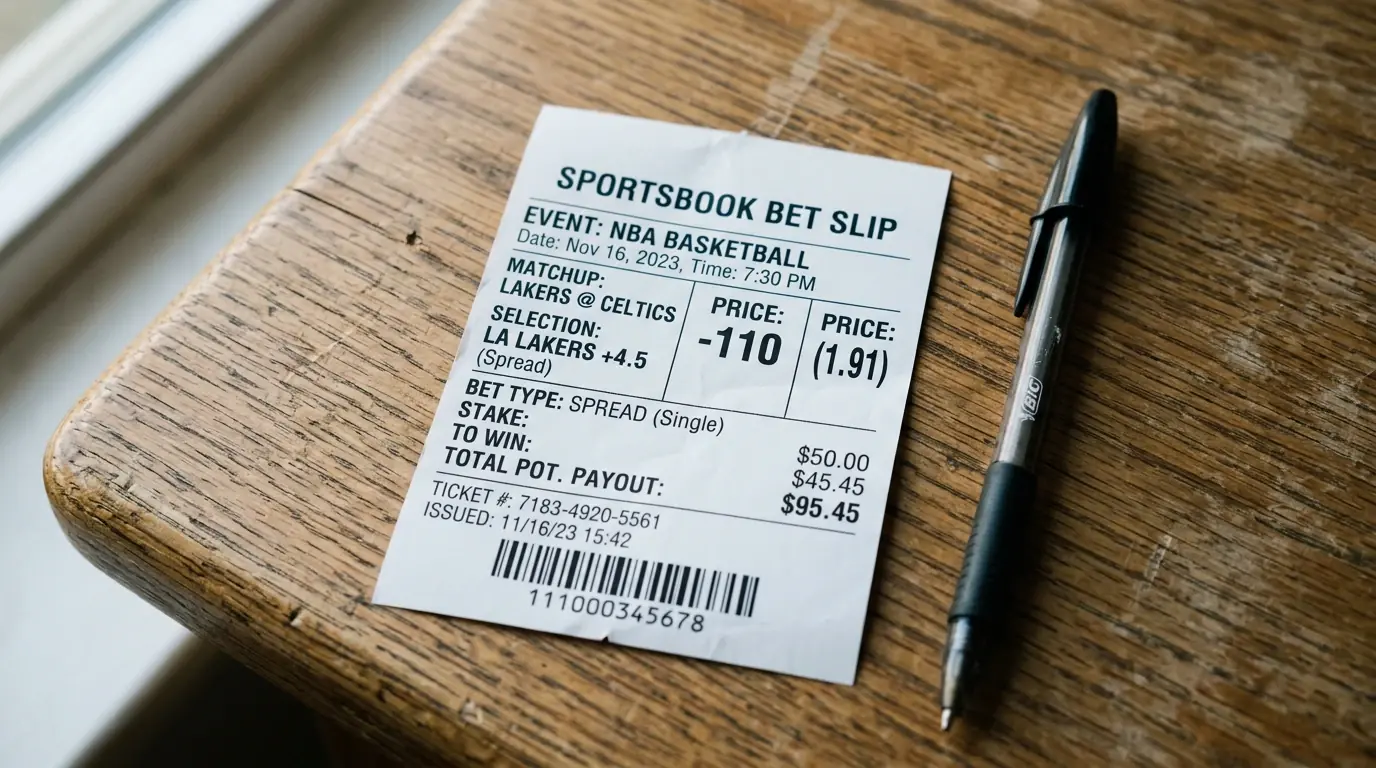
Standard Bookmaker Margins and Spread Prices
If you’ve spent more than ten minutes looking at NBA spreads, you’ve seen −110 about a hundred times. Both sides of the spread. Both sides of the total. Most NBA props. It’s not lazy pricing. It’s the industry’s standard hold rate, polished smooth by decades of US sportsbook practice and exported wholesale into UK markets via the convergence of online sportsbooks.
I’ll be blunt about why it matters. If you don’t understand −110, you don’t understand the cost of betting basketball. The number is doing two jobs at once. It tells you the bookmaker’s margin, and it sets the break-even win rate you need to clear before you’ve made a single penny of profit. Read it correctly and every other American odds price clicks into place.
The scale of this market is enormous. In 2024, Americans legally bet $147.9 billion on sport, with basketball generating around 32% of that handle – the largest single sport. The standard −110 line spread across millions of NBA tickets every season, which is why it deserves the careful walk-through that most beginner guides skip. UK punters, working on a roughly £714 million UK General Betting Duty pool in fiscal year 2024-25, see the same standard hold appear on US-style markets every night.
The Math: Lay 11 to Win 10
The phrase “lay 11 to win 10” is the cleanest English translation of −110. It means: stake £11 to win £10 in profit. If you win, you get £21 back – your £11 stake plus £10 profit. If you lose, you’re down £11.
Scaled up, the maths stays identical. £55 to win £50. £110 to win £100. £220 to win £200. The ratio is fixed. Every American odds line that begins with a minus sign tells you how much you must risk to win £100 of profit. So −150 means lay £150 to win £100. −200 means lay £200 to win £100. The bigger the minus number, the heavier the favourite, the more you have to risk.
UK books default to decimal display, where −110 becomes 1.91. The maths is mechanical: divide 100 by the absolute value of the American number, add 1, and you have the decimal. 100/110 = 0.909, plus 1 = 1.909, rounded to 1.91. To go the other way: subtract 1 from the decimal, divide 100 by the result, and apply the minus sign. (1.91 − 1 = 0.91, 100/0.91 = 109.89, so −109.89, rounded to −110.) Every UK punter should be able to do this conversion in their head within a week of seeing the formula. After that, the conversion is automatic.
Decimal of 1.91 multiplied by stake equals total return. £11 × 1.91 = £21.01 (rounded to £21). Same outcome, cleaner display.
Break-Even Percentage at −110
The number that matters for your long-term bankroll is your break-even win rate. At −110, the implied probability of winning is 110/(110+100) = 52.38%. That’s the percentage you need to win at, just to break even. Hit 52.38% across a season of NBA spread bets and you’ll lose nothing – and gain nothing.
To actually profit, you need to win more than 52.38% of your tickets. A 54% win rate at −110 produces a small but consistent edge. A 56% win rate is genuinely sharp. A 58% win rate over a meaningful sample is professional-grade and almost no recreational punter sustains it.
This is the brutal truth about −110. It looks like a fair price because the numbers are symmetrical – both sides priced the same. But the symmetry hides the bookmaker’s margin. The “fair” price for a 50/50 outcome is +100/−100, where you risk £10 to win £10. Anything tighter than that – and −110 is tighter – is the book taking a slice. The slice is the price you pay for instant settlement and a market that’s always available.
What −110 Tells You About the Vig
Vig is the bookmaker’s built-in margin, also called juice or the hold. At −110/−110 across a two-way market, the maths works out to a 4.55% hold. Here’s how. Implied probability on each side is 52.38%. Add them together: 52.38 + 52.38 = 104.76%. The 4.76% above 100 is the bookmaker’s edge before considering volume.
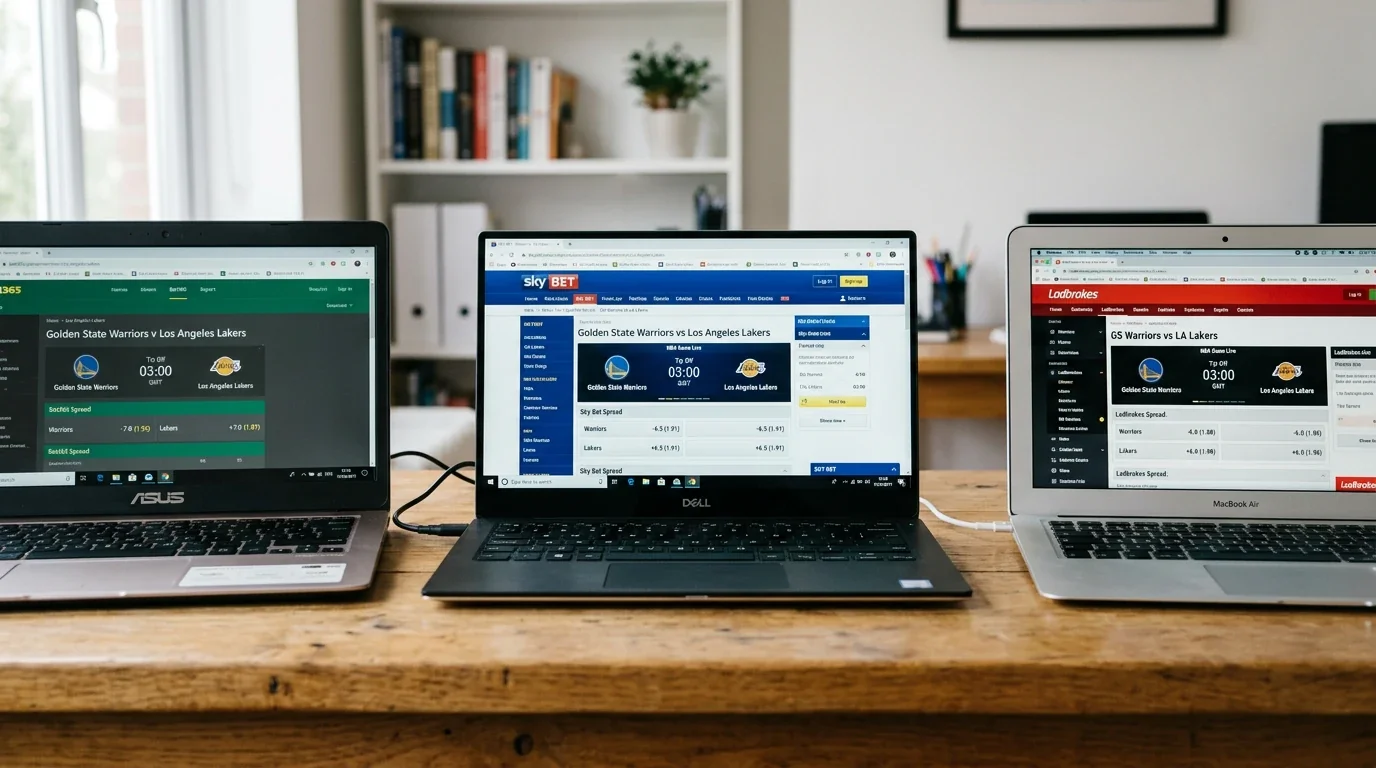
That 4.55% hold figure is the standard reference point for NBA betting. Anything tighter is a sharper market: you’ll see −108/−108 on heavily traded games at the better-priced UK books, which works out to about 3.7% hold. Anything wider is a softer market: prop markets routinely run at −115/−115 (8.7% hold) or worse, especially on alternate lines.
Why does this matter for a UK punter? Because the hold compounds against you bet after bet. If you’re betting £50 a night across an 82-game NBA regular season, the difference between paying 4.55% hold and 6% hold across that volume is real money. Line shopping – comparing prices at two or three UK books – is the single highest-value habit a serious punter can build, and it’s worth doing on every ticket you place.
The Decimal Equivalent for UK Punters
Most UK NBA bettors will go their entire betting careers without seeing American odds in the wild – UK books almost universally default to decimal. So the practical question becomes: what does 1.91 look and feel like, and why is it the most common number on the bet slip?
1.91 means £1.91 returned for every £1 staked, including the original stake. So a £10 bet returns £19.10 if it wins, of which £9.10 is profit. A £100 bet returns £191. The implied probability is 1/1.91 = 52.36%, which matches the −110 American calculation almost perfectly (the tiny difference is rounding).
Some UK books display 1.90 as their default standard rather than 1.91. That sliver of difference – one penny on a £10 stake – corresponds to American odds of −111 instead of −110, and it represents a 5% hold rather than 4.55%. It’s a small thing, but multiplied across hundreds of tickets a year, it becomes meaningful. The shopper’s instinct to check whether a book defaults to 1.90 or 1.91 is the kind of small habit that separates a careful punter from a casual one. The full conversion mechanics across all three odds formats are walked through in the decimal, American and fractional odds conversion guide for NBA.
Is −110 ever beatable long-term?
Yes, but the bar is much higher than most recreational punters realise. To beat −110 over a meaningful sample of NBA bets, you need a win rate above 52.4%, with the gap above that threshold producing your actual edge. Sharp bettors who consistently hit 54-56% are exceedingly rare. The ones who do are usually shopping for the best line across multiple UK books, which effectively reduces the price they’re paying. The casual punter who sticks to one book and bets the standard −110 line is paying a 4.55% hold every ticket and almost certainly losing over time.
Why do some NBA props show −115 or −120 instead?
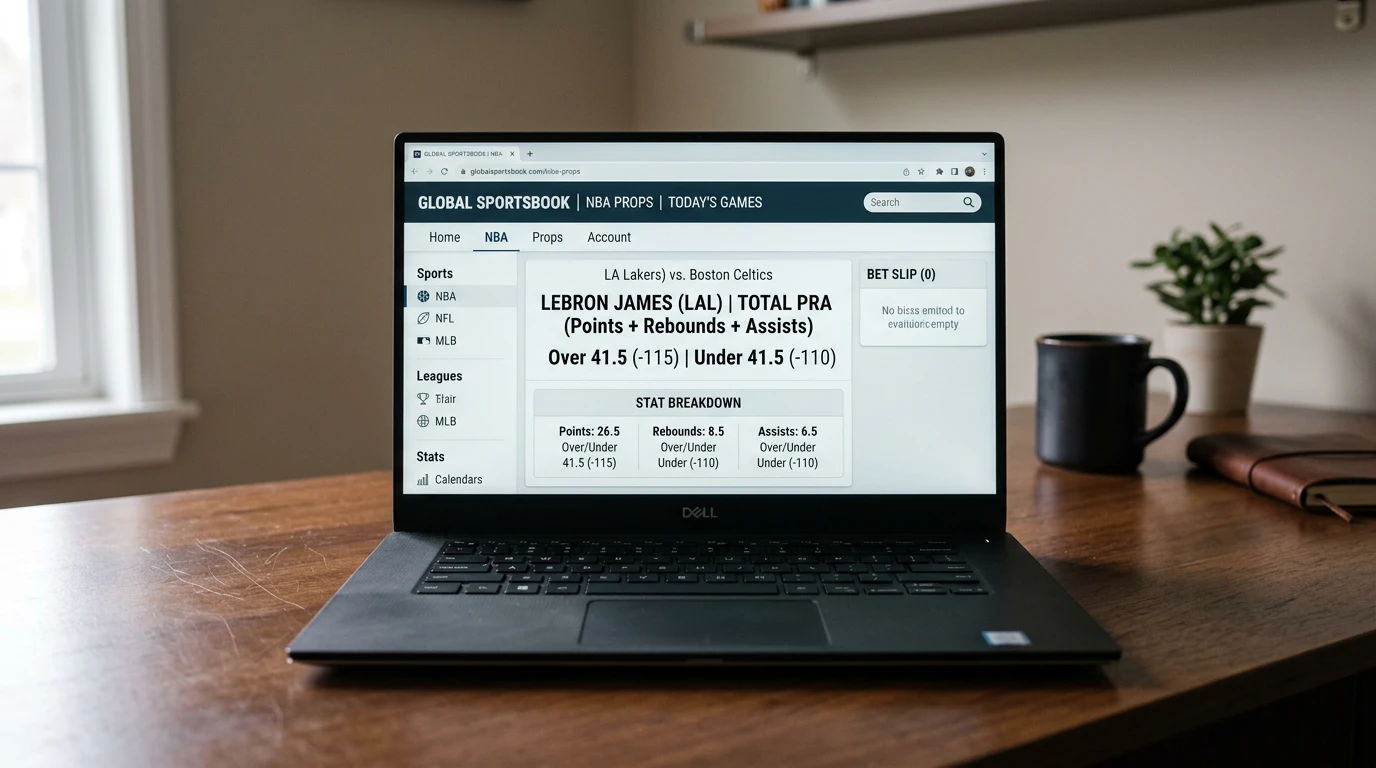
Prop markets carry wider holds than core spread and totals because the underlying probability is harder to model and the betting volume is lower. A −115/−115 prop market has a 7% hold; a −120/−100 prop has a 4.5% hold but it’s lopsided, which often signals the book is shading the price toward the side it expects fewer punters to take. Alternate lines on stars are even worse, often running at −125 or −130. The takeaway: if a market shows anything tighter than −110 on each side, the book is being more aggressive with its margin than it is on the standard spread.
Published by the how Does nba Betting Work team.